

Summer Driving Dangers in Connecticut: How to Avoid Car Accidents on Busy Roads and Highways
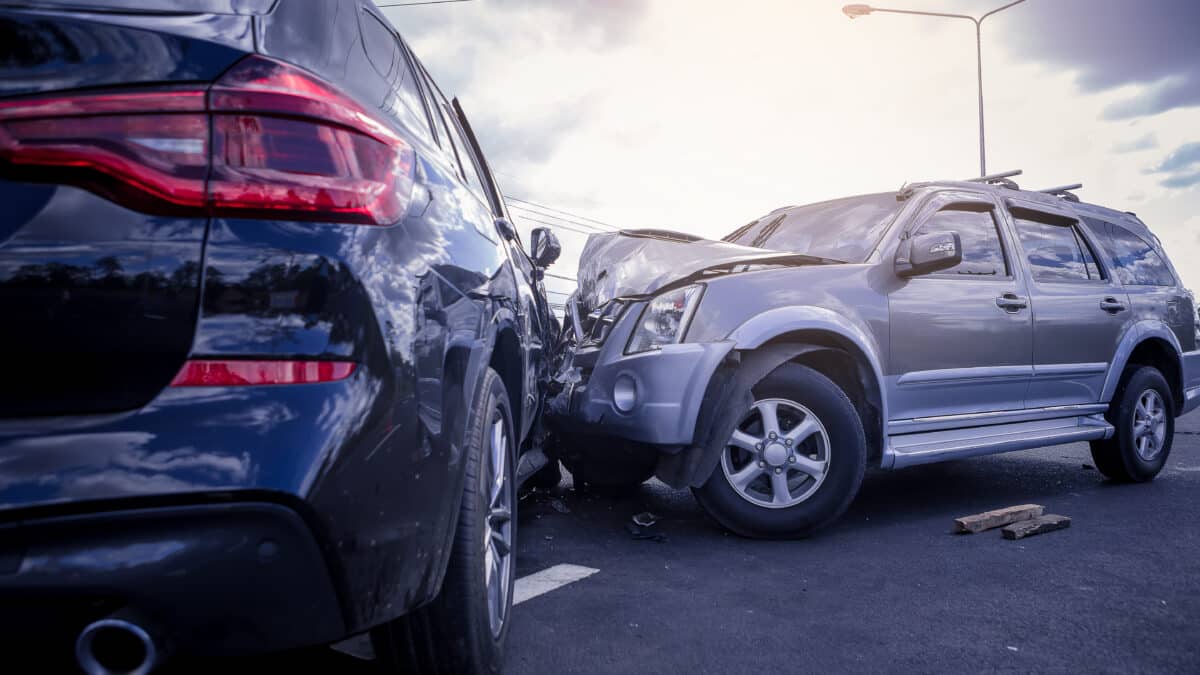
Connecticut summers bring longer days, beach trips, weekend getaways, and heavier traffic on roads that already see plenty of volume the rest of the year. I-95, the Merritt Parkway, Route 1, and local roads leading to the shoreline all get busier. Construction zones appear, motorcycles and bicycles increase, and more drivers are unfamiliar with the area. The result is a higher risk of serious car accidents.
Most of these crashes are preventable. Understanding the most common summer hazards—and taking a few practical steps—can help keep you and your passengers safer. And if an accident does happen, knowing what to do next protects your ability to recover.
Why Summer Driving in Connecticut Is More Dangerous
Several factors combine during the warmer months:
- Heavier traffic volumes – Beach towns, state parks, and tourist destinations draw more vehicles, especially on weekends and holidays. Congestion leads to sudden stops, lane changes, and rear-end collisions.
- Construction and work zones – Road projects peak in summer. Narrowed lanes, sudden shifts, and reduced speed limits create bottlenecks and increase the chance of sideswipes or rear-end crashes.
- Distracted driving – Phones, GPS, kids in the back seat, and scenic views all compete for attention.
- Impaired and fatigued drivers – Longer evenings, outdoor events, and alcohol can raise the risk of driving under the influence. Fatigue from long days or late nights is also common.
- Motorcycles, bicycles, and pedestrians – More people are out on two wheels or on foot, particularly near coastal areas and downtowns.
- Weather shifts – Sudden thunderstorms, heavy rain, and reduced visibility can turn a routine drive dangerous in minutes.
- Speed – Open stretches and the desire to “make good time” to the beach or home often lead to excessive speed.
Connecticut’s busy corridors—especially along the shoreline and major interstates—see these risks play out every summer.
Practical Ways to Reduce Your Risk
You cannot control every other driver, but you can control how you prepare and respond:
- Plan extra time. Rushing is one of the biggest contributors to aggressive driving and last-second decisions. Leave earlier when heading to popular destinations.
- Put the phone away. Connecticut law prohibits handheld phone use while driving. Even hands-free use can distract. If you need directions, set them before you move or pull over safely.
- Watch for work zones. Slow down early, stay in your lane, and give extra space to construction vehicles and workers. Fines are higher in these areas for a reason.
- Increase following distance. Summer traffic is stop-and-go. A larger gap gives you more time to react when the car ahead brakes suddenly.
- Stay alert around motorcycles and bicycles. Check mirrors and blind spots carefully before changing lanes or turning.
- Never drive impaired. Alcohol, marijuana, and certain medications all affect reaction time and judgment. Arrange another way home if you’ve been drinking or feel off.
- Check your vehicle. Tire pressure, brakes, wipers, and fluids matter more when temperatures rise and traffic is heavy. Overheated engines and blowouts are more common in summer.
- Adjust for weather. Slow down in rain, turn on headlights, and avoid sudden maneuvers on wet roads.
- Buckle up every time. Seat belts remain one of the simplest and most effective safety tools.
These habits will not eliminate every risk, but they significantly lower the odds of a serious crash.
If You Are Involved in a Summer Car Accident
Even careful drivers get hit by someone else’s mistake. If an accident occurs:
- Check for injuries and call 911 if anyone is hurt or the vehicles are blocking traffic.
- Move to a safe location if possible and turn on hazard lights.
- Exchange information with the other driver(s) and gather contact details for any witnesses.
- Take photos of vehicle damage, the roadway, skid marks, traffic signals, and weather conditions if it is safe to do so.
- Notify your insurance company promptly, but avoid giving recorded statements to the other driver’s insurer before speaking with a lawyer.
- Seek medical attention even if you feel “mostly fine.” Soft-tissue injuries, concussions, and other problems often appear hours or days later.
- Keep records of medical visits, time missed from work, and out-of-pocket expenses.
Connecticut follows a modified comparative negligence rule. You can still recover compensation as long as you are not more than 50% at fault, though your recovery is reduced by your share of responsibility. Insurance companies frequently try to shift as much blame as possible onto the injured person. Clear documentation and early legal guidance help protect your claim.
Compensation After a Car Accident
A successful claim may cover medical bills, lost wages, future medical needs, pain and suffering, and other losses tied to the crash. Serious injuries—traumatic brain injury, spinal damage, fractures, or permanent impairment—require thorough investigation and experienced advocacy.
Why Experience Matters
Summer accidents on Connecticut’s busy roads often involve multiple vehicles, disputed fault, or questions about speed, distraction, or impairment. At The Pickel Law Firm, we have helped injured people across Stamford, Bridgeport, and the rest of Connecticut for more than thirty years. We know how to investigate these crashes, gather the evidence that matters, and pursue the full compensation our clients need.
If you or a loved one was hurt in a car accident this summer, we are ready to help. Consultations for personal injury matters are free. Call us at 203-348-4100 or reach out through our website. Let us review what happened and explain your options.
The information on this website is attorney advertising and is for general information purposes only. It does not constitute legal advice and is not intended to create an attorney-client relationship. Prior case results do not guarantee outcomes of future cases.