

Golf Cart Accidents in Connecticut: Who Is Responsible for Your Injuries?
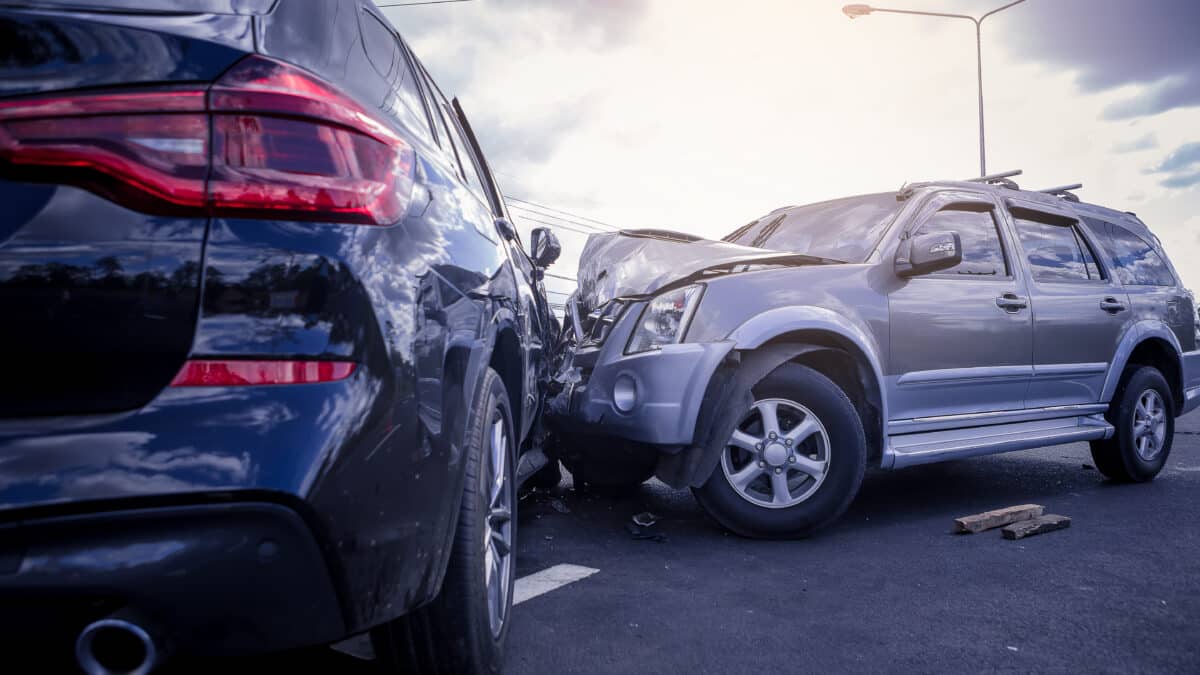
Golf carts look harmless enough. They’re slow, open-air, and mostly associated with a relaxed day on the course or a short ride through a residential community. But when one tips over, collides with another vehicle, or throws a passenger, the injuries can be anything but minor—head trauma, broken bones, spinal injuries, and more.
We’ve seen it firsthand. One of our firm’s results involved a golf cart accident that left a client with serious head injuries and ultimately resolved for $1.200,000. Cases like that don’t happen in a vacuum. Someone’s negligence almost always plays a role, and figuring out who is responsible is the first step toward recovering what you need to move forward.
How Golf Cart Accidents Usually Happen in Connecticut
These crashes aren’t limited to the fairway. Common scenarios include:
A driver taking a sharp turn too quickly and rolling the cart
Collisions with cars on roads where local rules allow limited golf cart use
Passengers falling or being ejected because there are no seat belts or doors
Mechanical failures—faulty brakes, steering issues, or poorly maintained batteries
Distracted or impaired operation
Uneven paths, poor lighting, or unmarked hazards on a course or in a private community
Connecticut law treats these situations carefully. Under General Statutes § 14-300g, local traffic authorities can allow golf carts on certain streets with speed limits of 25 mph or less, but only during daylight hours and with specific equipment requirements (horn, flag, and a licensed driver). Many towns never authorize road use at all. Low-speed vehicles (LSVs) that meet federal standards face stricter registration and insurance rules. On private property or a golf course, the rules are different, but the duty of care doesn’t disappear.
Who Can Be Held Responsible?
Liability in a Connecticut golf cart case usually comes down to negligence—someone failed to act with reasonable care, and that failure caused your injuries. Depending on the facts, one or more of these parties may share responsibility:
The operator
The person driving the cart is the most obvious candidate. Speeding, distraction, driving under the influence, or ignoring basic safety rules can all support a claim. Even on private property, operators still owe a duty of care to passengers and others nearby.
The owner of the cart
Ownership matters. If the owner loaned the cart to someone they knew (or should have known) was inexperienced, impaired, or reckless, that can be negligent entrustment. Poor maintenance—bald tires, bad brakes, or ignored recalls—can also put the owner on the hook, especially if the cart was rented out.
A golf course, resort, or community association
These entities have a duty to keep their property reasonably safe. That includes maintaining paths, posting warnings about known hazards, training staff who operate carts, and making sure rental carts are in good working order. A poorly designed path, a missing barrier, or a cart that shouldn’t have been rented can all create liability.
Another motorist
When a golf cart and a regular vehicle collide on a road where carts are permitted, the car driver may be at fault for failing to yield, speeding, or not watching for slower traffic. The reverse can also be true.
The manufacturer or seller
In rarer cases, a design or manufacturing defect—unstable design, inadequate roll protection, or a defective component—can support a product liability claim.
Connecticut follows a modified comparative negligence rule (General Statutes § 52-572h). You can still recover damages as long as you are not more than 50% at fault. Your recovery is simply reduced by your percentage of responsibility. Insurance companies know this rule well and often try to shift as much blame as possible onto the injured person. That is one reason having experienced counsel early on makes a difference.
Insurance Coverage Isn’t Always Straightforward
Golf carts used only on private property or a course often lack the same mandatory insurance that cars carry. Some owners rely on a homeowners policy endorsement or a separate golf cart policy. Street-legal LSVs generally need liability coverage meeting Connecticut’s minimums (commonly cited as 25/50/25) plus uninsured/underinsured motorist coverage.
When coverage is limited or nonexistent, the at-fault party’s personal assets may come into play. Identifying every possible source of recovery—operator, owner, course, other drivers—is critical.
What You Should Do After a Golf Cart Accident
Get medical attention right away, even if you feel “mostly okay.” Head injuries and internal trauma can show up later.
Report the incident to the course, community management, or police if it happened on a public road.
Take photos of the scene, the cart, any visible injuries, and surrounding conditions if you are able.
Get contact information for witnesses.
Avoid giving recorded statements to insurance adjusters before speaking with a lawyer.
Keep records of all medical treatment, time missed from work, and out-of-pocket expenses.
Compensation Available in These Cases
A successful claim can cover medical bills (past and future), lost wages, diminished earning capacity, pain and suffering, and, in severe cases, long-term care needs or loss of enjoyment of life. When a golf cart accident causes a traumatic brain injury or other catastrophic harm, the stakes are especially high.
Why Experience Matters
Golf cart cases sit at the intersection of motor vehicle rules, premises liability, and sometimes product claims. The insurance companies involved often dig in quickly. At The Pickel Law Firm, we have handled serious injury cases across Connecticut for more than thirty years, including golf cart matters that resulted in significant recoveries. We know how to investigate these incidents thoroughly, identify every responsible party, and push back when adjusters try to minimize the harm.
If you or a loved one was injured in a golf cart accident in Stamford, Bridgeport, or anywhere in Connecticut, we are here to help. Consultations for personal injury matters are free. Call us at 203-348-4100 or reach out through our website to talk about what happened and what options you may have.
The information on this website is attorney advertising and is for general information purposes only. It does not constitute legal advice and is not intended to create an attorney-client relationship. Prior case results do not guarantee outcomes of future cases.